Abandoned Cart Email Examples for Ecommerce Brands: 5 Ideas to Recover Lost Revenue
Abandoned cart email examples are becoming essential reference points for ecommerce brands that want to recover lost revenue and convert high-intent shoppers who left without completing their purchase. The majority of online shoppers abandon their carts before checking out, which means every Shopify store is leaving a significant amount of recoverable revenue on the table every single day. Brands that invest in well-designed, well-timed abandoned cart emails consistently recover more revenue,...

Abandoned cart email examples are becoming essential reference points for ecommerce brands that want to recover lost revenue and convert high-intent shoppers who left without completing their purchase. The majority of online shoppers abandon their carts before checking out, which means every Shopify store is leaving a significant amount of recoverable revenue on the table every single day. Brands that invest in well-designed, well-timed abandoned cart emails consistently recover more revenue, convert more first-time buyers, and generate stronger overall email program performance than those relying on a single generic reminder.
The abandoned cart represents one of the most valuable opportunities in all of ecommerce marketing because the shopper has already demonstrated clear purchase intent. Unlike cold traffic that needs to be educated and persuaded from scratch, an abandoned cart shopper has already found a product they wanted, added it to their cart, and started the checkout process. Reaching that shopper with the right message at the right moment is one of the highest-ROI activities available to any Shopify brand.
In 2026, abandoned cart email strategies have evolved significantly beyond a simple "you left something behind" reminder. Urgency messaging, social proof, personalized discount incentives, and free gift offers are all proving highly effective at converting different types of abandoners at different stages of reconsideration. This guide explores five abandoned cart email examples with practical details that ecommerce brands can use to build a recovery program that consistently turns abandoned carts into completed orders.
Why Abandoned Cart Emails Matter for Ecommerce Brands
The majority of ecommerce shoppers abandon their carts before completing a purchase, which means the revenue sitting in uncompleted carts represents one of the largest and most accessible revenue opportunities for any Shopify store. Unlike acquiring new customers through paid advertising, recovering an abandoned cart requires no additional ad spend because the shopper is already on the list and has already demonstrated intent. Brands that implement a strong abandoned cart recovery program consistently see meaningful increases in total revenue without increasing their marketing budget.
Shoppers who add items to their cart have already moved through the awareness and consideration stages of the buying journey and are firmly in the decision stage. This high level of purchase intent makes them significantly more likely to convert when reached with a relevant and timely email than any other segment in the marketing program. Abandoned cart emails consistently generate some of the highest revenue per email of any automation type because they reach the right person at exactly the right moment.
Recovering existing high-intent shoppers through email is also significantly more cost-effective than acquiring new customers through paid social or search advertising. The cost of sending an abandoned cart email is minimal compared to the cost of running campaigns to find and convert new customers who have never heard of the brand. This efficiency makes abandoned cart recovery one of the most financially compelling automations a Shopify brand can have in place.
Abandoned cart recovery is also consistently one of the first and most important automations any Shopify brand should prioritize when building their email program. A brand that has even basic abandoned cart emails running will recover more revenue than one with no recovery system at all, regardless of how sophisticated the rest of the program is. Getting this automation live early and optimizing it over time creates a revenue foundation that compounds as the store grows.
The Core Elements of a High-Performing Abandoned Cart Email
Effective abandoned cart emails share several foundational characteristics that separate high-converting examples from ignored ones. Understanding these elements helps ecommerce brands build cart recovery emails that reach shoppers at the right moment with the right message and the right motivation to return and complete their purchase. Brands that get these fundamentals right consistently recover a higher percentage of their abandoned carts and generate stronger overall recovery program revenue.
Clear product reminder
A clear product reminder shows the shopper exactly which items they left behind with strong product images, names, and prices that immediately reconnect them with their original purchase intent. The product reminder should be visually prominent and placed near the top of the email so that the shopper sees their abandoned items the moment they open the message.
Seeing the specific products they left behind triggers the shopper's original desire and reminds them why they wanted those items in the first place. Brands that include large, high-quality product images in their cart recovery emails consistently see stronger click-through rates than those using small thumbnails or text-only product references.
Compelling recovery incentive
A compelling recovery incentive is a discount, free shipping offer, or bonus item that gives the shopper an additional reason to return and complete their purchase beyond the products themselves. The incentive should feel like a genuine added value rather than a desperate attempt to close the sale, which means leading with the product reminder before introducing any offer.
The right incentive varies by brand and cart value, but it should always feel proportionate to the purchase amount and meaningful enough to motivate action. Brands that test different incentive types and thresholds consistently find opportunities to improve their recovery rates without unnecessarily sacrificing margin on every abandoned cart.
Urgency and scarcity messaging
Urgency and scarcity messaging communicates that items may sell out or that a special recovery offer is time-limited, motivating the shopper to act immediately rather than continuing to delay their decision. The most effective urgency messaging is honest and specific rather than generic, using real stock levels or genuine offer expiration times rather than manufactured false urgency.
Well-timed urgency signals increase conversion rates by giving procrastinating shoppers a specific and credible reason to act now rather than later. Brands that incorporate genuine scarcity and deadline information into their cart recovery emails consistently see higher conversion rates than those relying on product reminders alone.
Single clear call to action
A single, prominent CTA button that takes the shopper directly back to their cart with their items still saved removes all friction from the recovery process and makes completing the purchase as easy as possible. Cart recovery emails that include multiple competing CTAs or require shoppers to navigate to the cart themselves consistently see lower recovery rates than those with a single direct return-to-cart button.
The CTA button should be visually prominent, use action-oriented language such as "Complete your order" or "Return to your cart," and be positioned above the fold wherever possible. Brands that simplify the recovery email to a single focused action consistently convert a higher percentage of abandoned cart shoppers than those with cluttered or confusing email layouts.
Abandoned Cart Email Examples: 5 Ideas
Example 1: The Simple Cart Reminder Email
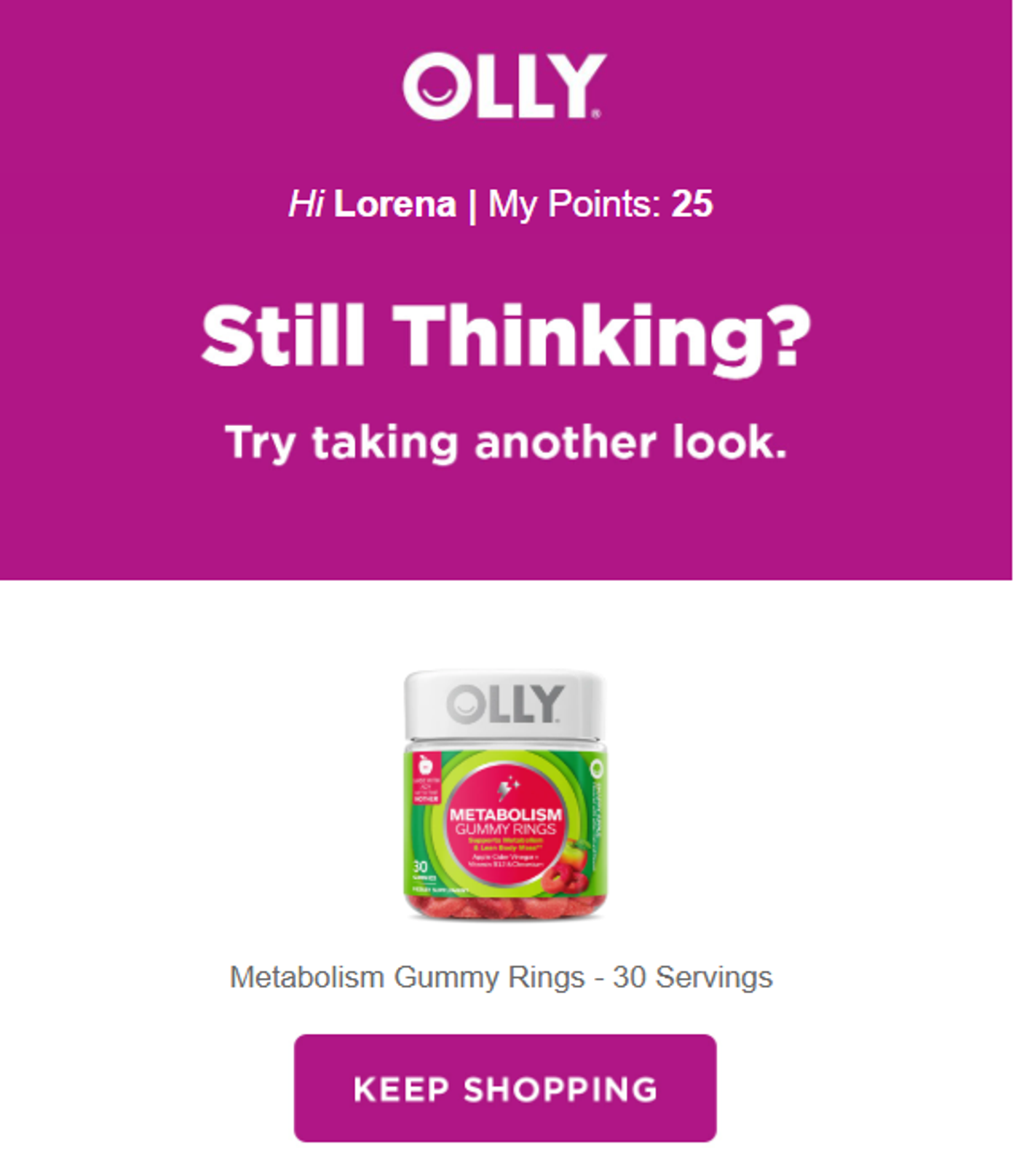
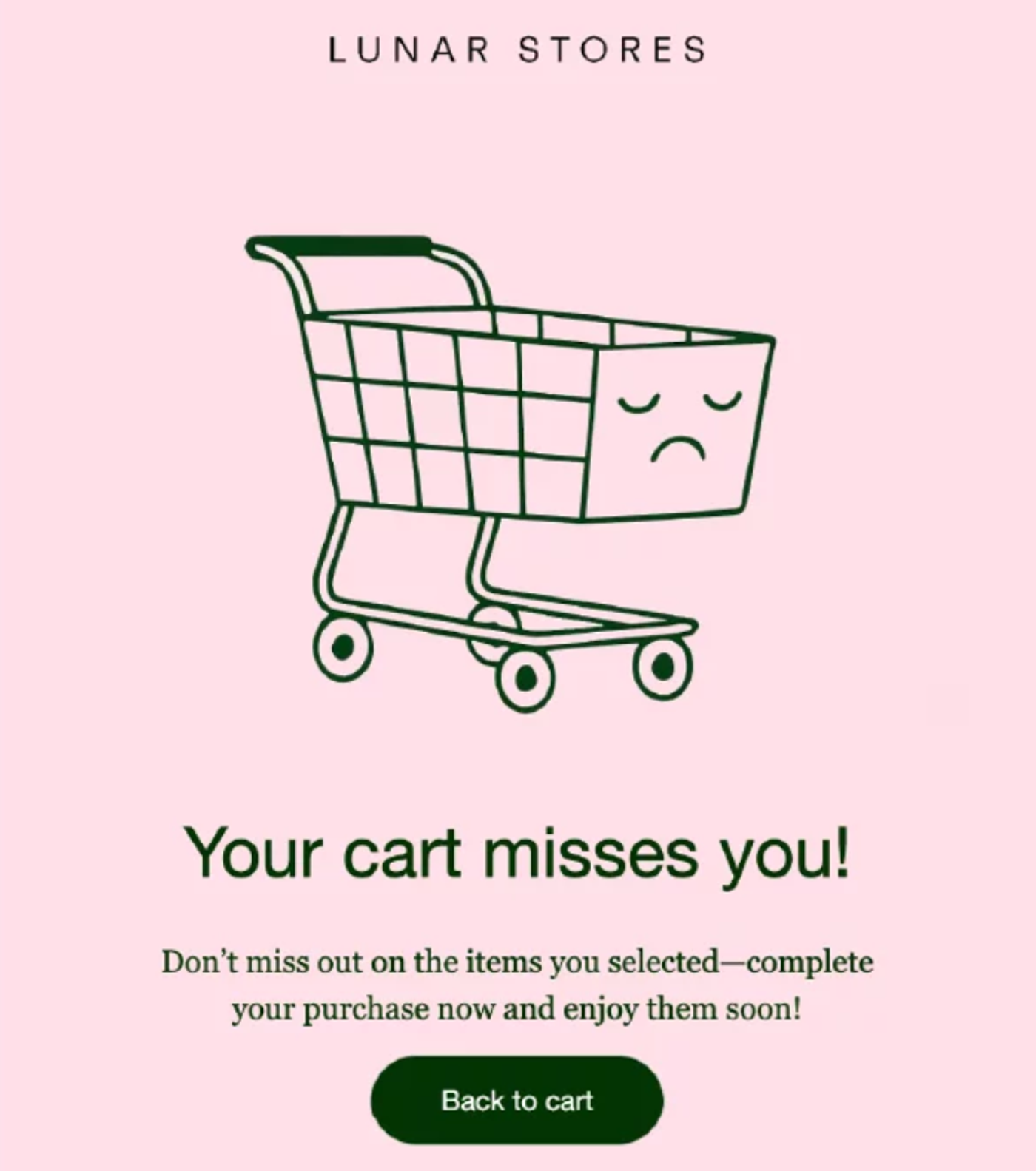
A straightforward cart reminder without any discount or urgency is often the most effective first abandoned cart email because many shoppers simply forgot about their cart, were distracted, or ran out of time, rather than having a genuine objection to completing the purchase. This format works because it treats the abandonment as an innocent oversight rather than a deliberate decision, which feels helpful rather than pushy. Brands that send a simple and warm first reminder consistently recover a meaningful percentage of abandoned carts before needing to introduce any incentive.
A product image and details reminder features strong, high-quality images of the abandoned items alongside their names, prices, and key attributes to immediately reconnect the shopper with what they left behind. The visual reminder triggers the shopper's original desire and brings the products back to the front of their mind after other distractions have intervened.
In practice, a Shopify fashion brand might send a first cart reminder featuring a clean layout with one or two large product images, the item names and sizes selected, and a single bold CTA button that returns the shopper directly to their cart. The email uses no discount and no urgency language, relying purely on a friendly reminder to recover the significant percentage of shoppers who simply forgot.
Using conversational and non-pushy copy that feels helpful rather than salesy acknowledges that the shopper may have simply been interrupted and treats them with the respect that builds brand trust. Copy like "Looks like you left something behind" or "Your cart is waiting for you" is significantly more effective than aggressive language that makes the shopper feel chased.
A Shopify lifestyle brand might open their first cart reminder with a brief and warm message acknowledging that life gets busy, followed immediately by the product reminder and a simple return-to-cart CTA. This approachable tone makes the shopper feel valued rather than pressured and increases the likelihood they return with a positive attitude toward the brand.
Example in practice: A well-executed simple cart reminder from a Shopify home goods brand might feature a clean subject line like "You left something in your cart," a warm two-sentence opening message, two or three large product images with names and prices, and a single prominent CTA button. The email should feel like a helpful nudge from a friend rather than an automated marketing message, with no discount, no countdown timer, and no pressure.
Example 2: The Urgency and Scarcity Cart Recovery Email
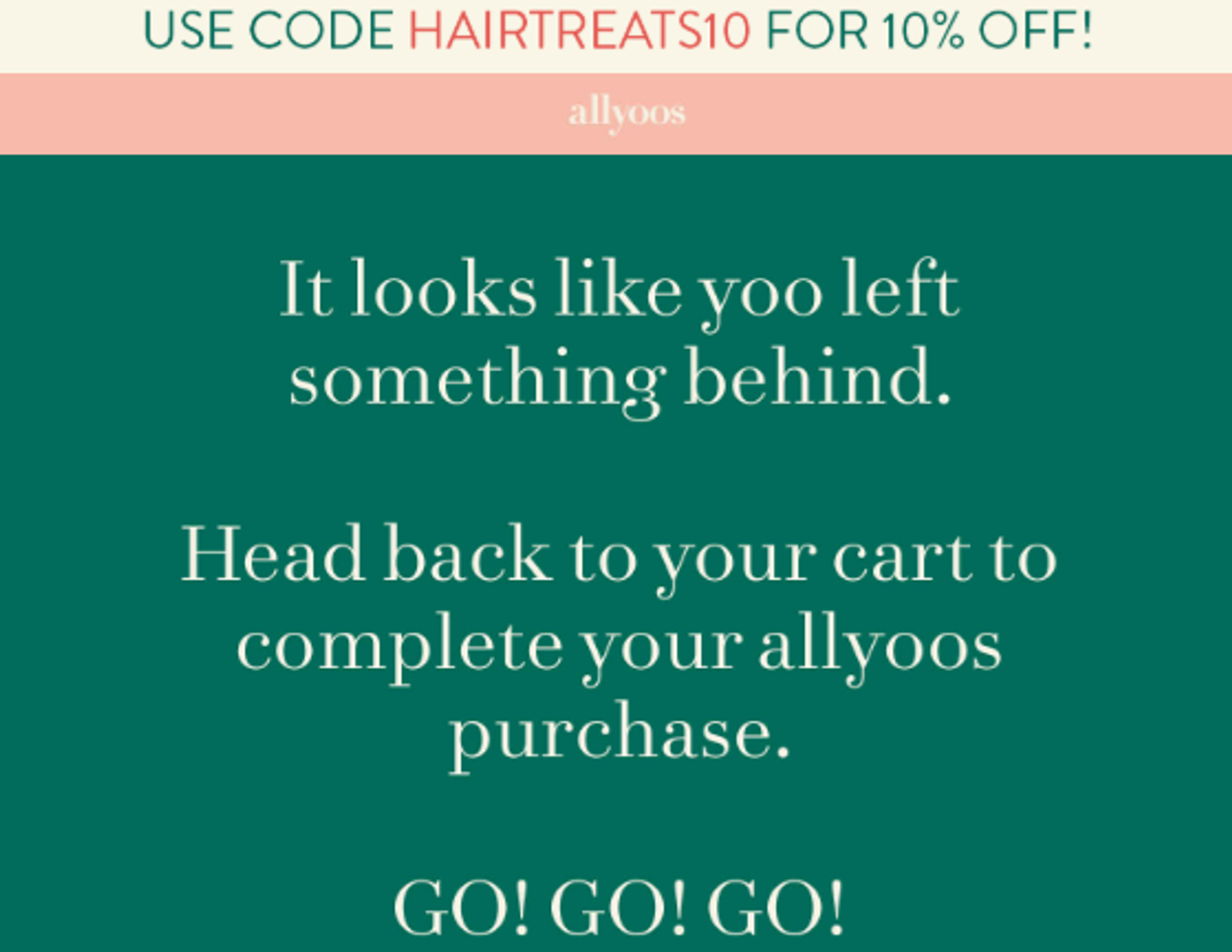
Urgency and scarcity messaging in an abandoned cart email is especially effective for products with limited stock, time-sensitive availability, or shoppers who respond strongly to the fear of missing out on something they genuinely want. This format works because it introduces a new and credible reason to complete the purchase that was not present during the original browsing session. Brands that use genuine urgency and scarcity signals in their cart recovery emails consistently see higher second-touch conversion rates than those relying on reminders alone.
A low-stock alert email notifies the shopper that the specific item in their cart is running low and may sell out before they return to complete their purchase. This message is most effective when the stock level is genuine and specific, such as "Only 3 left in your size," because vague low-stock claims are easily dismissed by experienced online shoppers.
A Shopify clothing brand might send a second cart recovery email 24 hours after the initial reminder, featuring a bold headline like "Your item is almost gone" alongside the specific stock level for the shopper's selected size and color. This genuine and specific scarcity message creates real urgency without relying on artificial tactics that can damage brand trust.
A limited-time offer email adds a time-sensitive discount or bonus that expires within 24 to 48 hours to create urgency for shoppers who were not motivated by the stock scarcity alone. The time limit should be genuine and enforced to maintain credibility, which means the offer should actually expire when the email says it will.
A Shopify accessories brand might send a cart recovery email offering 15 percent off the abandoned items for the next 24 hours, with a clear expiration time displayed prominently in the email. This combination of a specific offer and a hard deadline consistently drives strong recovery rates from shoppers who were interested but needed one more reason to commit.
Example in practice: An effective urgency and scarcity cart recovery email from a Shopify streetwear brand might open with a subject line like "Almost gone: your cart is selling out," feature a bold low-stock alert with the specific remaining inventory for the abandoned item, and include a 24-hour discount offer with a clear expiration time. The email should feel genuinely urgent rather than manufactured, using real data to create the scarcity signals that motivate action.
Example 3: The Discount Incentive Cart Recovery Email
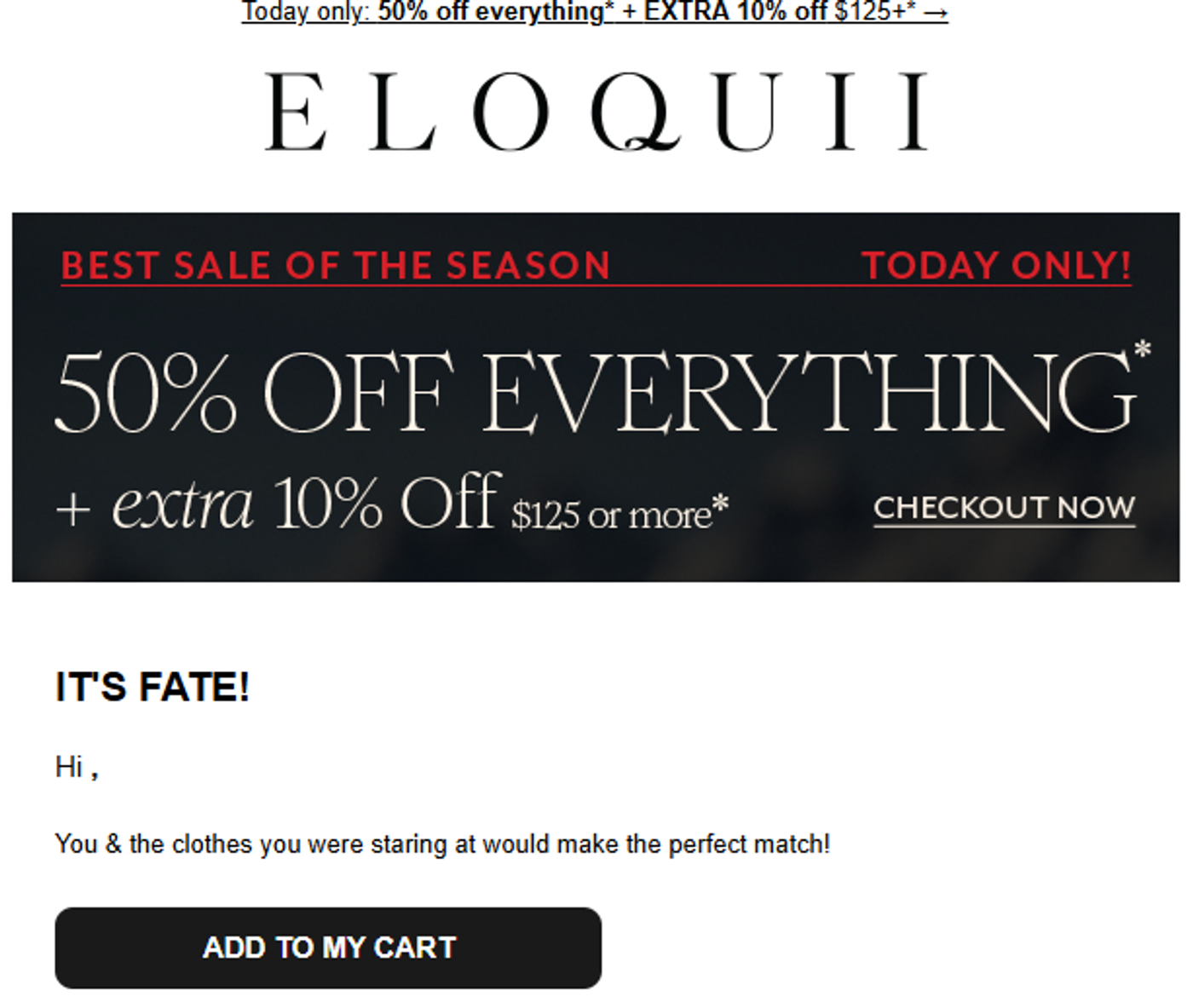
Offering a discount in a follow-up abandoned cart email is one of the most reliable ways to recover shoppers who did not respond to either the initial reminder or the urgency-based follow-up. This format acknowledges that the shopper may have had a price-based hesitation and directly addresses that barrier by reducing the financial commitment required to complete the purchase. Brands that deploy a discount incentive as the third touch in a cart recovery sequence consistently recover a meaningful additional percentage of abandoned carts that would otherwise be lost entirely.
A percentage discount recovery email offers a specific percentage off the abandoned cart items as a direct incentive for the shopper to return and complete their purchase. The discount should feel meaningful relative to the cart value, which typically means 10 to 20 percent for most ecommerce categories.
A Shopify beauty brand might send a third cart recovery email offering 15 percent off the shopper's abandoned items with a discount code that expires in 48 hours and a direct return-to-cart CTA. The email opens with a brief acknowledgment that the brand wants to make it easier for the shopper to get the products they wanted, framing the discount as a gesture of goodwill rather than a desperate sales tactic.
A free shipping recovery email offers complimentary delivery on the abandoned order for shoppers where shipping cost was likely the primary barrier to completing the purchase. This incentive is especially effective for stores with higher shipping costs or for abandoned carts where the cart value is relatively close to the brand's free shipping threshold.
A Shopify wellness brand might send a cart recovery email offering free shipping on the shopper's abandoned order with a clear message that the offer is available for the next 24 hours only. This targeted incentive directly removes the specific objection that most commonly prevents purchase completion in shipping-cost-sensitive categories.
Example in practice: A compelling discount incentive cart recovery email from a Shopify skincare brand might feature a warm subject line, a brief message acknowledging the shopper's interest in the products, a prominently displayed discount code with a 48-hour expiration, large product images of the abandoned items, and a single bold CTA. The email should feel generous and personal rather than automated, making the shopper feel that the brand genuinely wants them to have the products they were considering.
Example 4: The Social Proof Cart Recovery Email
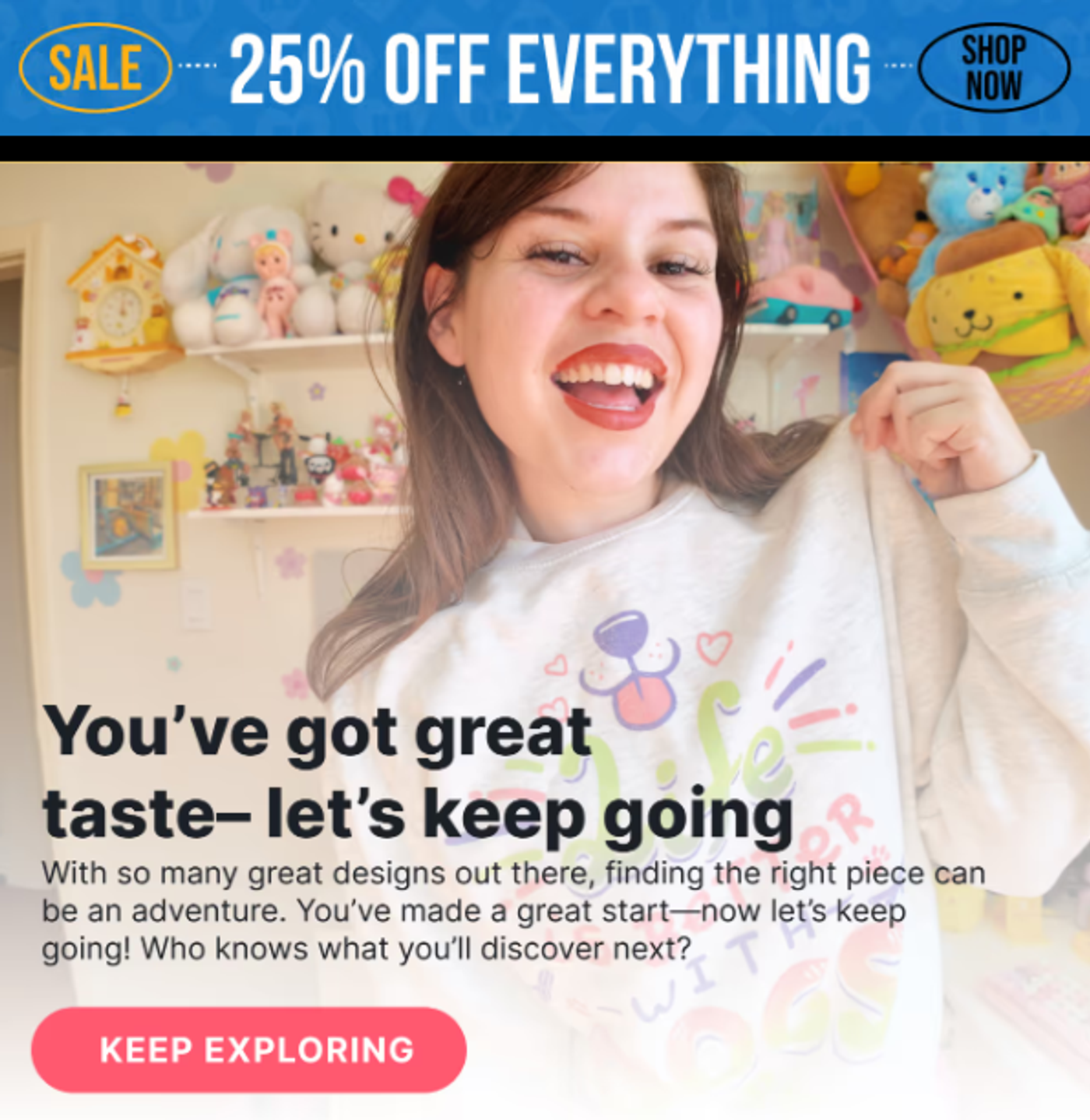
Including social proof in an abandoned cart email is especially effective for shoppers who left because of hesitation or uncertainty about the product rather than price or timing concerns. This format works by addressing the underlying trust barrier that prevented purchase completion, using the experiences of other customers to validate the quality and results of the abandoned products. Brands in categories like supplements, skincare, and high-consideration lifestyle products consistently see strong recovery rates from social proof-led cart recovery emails.
Featuring verified reviews specifically for the products left in the cart directly addresses the quality or results concerns that may have caused the shopper to hesitate before completing their purchase. Reviews that mention specific outcomes, product qualities, or comparisons to alternatives are significantly more persuasive than generic five-star endorsements.
A Shopify supplements brand might send a cart recovery email that opens with a product reminder followed by three carefully selected customer reviews for the specific abandoned product, each addressing a different common hesitation such as taste, effectiveness, or value for money. This targeted social proof directly responds to the most likely reasons the shopper did not complete their purchase.
Including aggregate star ratings and total review counts alongside product images reinforces credibility at a glance and gives hesitant shoppers the quick social validation they need to feel confident proceeding. A product with hundreds of reviews and a strong average rating communicates trustworthiness without requiring the shopper to read every individual review.
A Shopify skincare brand might include a bold star rating display with the total review count beneath each abandoned product image in their cart recovery email, making the social proof immediately visible rather than requiring the shopper to seek it out on the product page. This visual credibility signal consistently improves recovery rates for high-consideration products where trust is the primary purchase barrier.
Example in practice: A compelling social proof cart recovery email from a Shopify beauty brand might feature a warm subject line, a product reminder with large images, a section of three to four specific and results-focused customer reviews for the abandoned items, a star rating display with total review count, and a single CTA returning the shopper to their cart. The email should feel validating and reassuring rather than promotional, letting other customers' voices do the persuasion work.
Example 5: The Free Gift with Purchase Cart Recovery Email
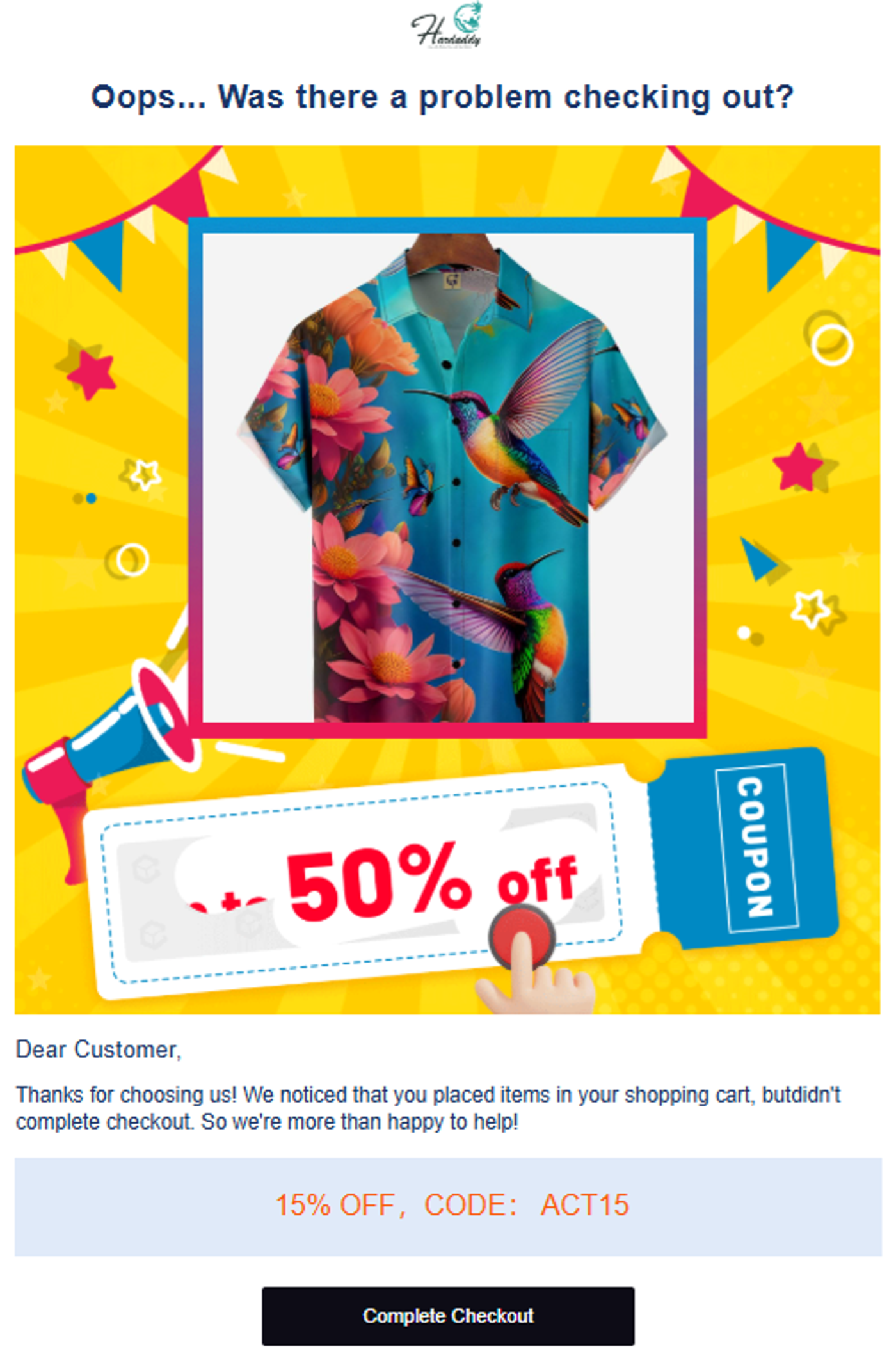
Offering a free gift with purchase as the abandoned cart recovery incentive is one of the most effective and differentiated ways to motivate shoppers who did not respond to standard reminders or discount offers. This format works because receiving an unexpected bonus item feels genuinely generous and creates a sense of getting more than expected, which is a more emotionally compelling motivator than a percentage reduction in price for many shoppers. Brands that introduce a free gift recovery email consistently see strong conversion rates from shoppers who are motivated by added value rather than discounted pricing.
A surprise free gift email reveals a complimentary bonus item that will be added to the shopper's order at no extra cost if they return and complete their purchase within a specific time window. The surprise element makes this format especially effective because it creates a sense of delight and generosity that a standard discount code cannot replicate.
A Shopify beauty brand might send a cart recovery email revealing that they will add a full-size product from their bestselling range to the shopper's order for free if they complete their purchase within the next 24 hours. This unexpected bonus creates both excitement and urgency simultaneously, motivating shoppers who would not have responded to a straightforward percentage discount.
A free gift with a minimum spend threshold combines the recovery incentive with an opportunity to increase the average order value by encouraging the shopper to add one more item to qualify for the free gift. This structure is especially effective for abandoned carts that are close to but just below the qualifying threshold, as the perceived value of the free gift often outweighs the cost of the additional item needed to unlock it.
A Shopify wellness brand might send a cart recovery email notifying the shopper that they are only ten dollars away from receiving a free bonus supplement worth thirty dollars, creating a compelling reason to add one more item to their cart before completing the purchase. This incentive recovers the abandoned cart while simultaneously increasing the order value beyond the original abandoned amount.
Example in practice: A compelling free gift cart recovery email from a Shopify skincare brand might feature a warm subject line like "A little something extra is waiting for you," open with the abandoned product reminder, reveal the specific free gift item with a product image and retail value, include a clear 48-hour expiration on the offer, and close with a single bold CTA returning the shopper to their cart. The email should feel like a generous surprise rather than a standard promotional tactic, leading with the gift before any other messaging to maximize the emotional impact of the offer.
How to Automate Your Abandoned Cart Emails with the Right Tools
Abandoned cart emails are only effective when they are delivered automatically and immediately after a cart is abandoned, making automation the non-negotiable foundation of any successful recovery program. Manually monitoring abandoned carts and sending recovery emails by hand is impossible at any meaningful scale and guarantees that the critical first-hour engagement window is missed for the majority of abandonments. The only practical solution is an automated sequence that triggers instantly the moment a cart is abandoned and runs the full recovery series without any manual involvement.
The connection between cart abandonment detection and automated email delivery is where many Shopify brands leave their most accessible revenue on the table. Many stores focus heavily on acquiring new traffic while neglecting to put in place the basic automation that would recover a meaningful percentage of the shoppers they already have. A well-configured abandoned cart sequence that launches within minutes of abandonment is consistently one of the highest-revenue automations in any ecommerce email program.
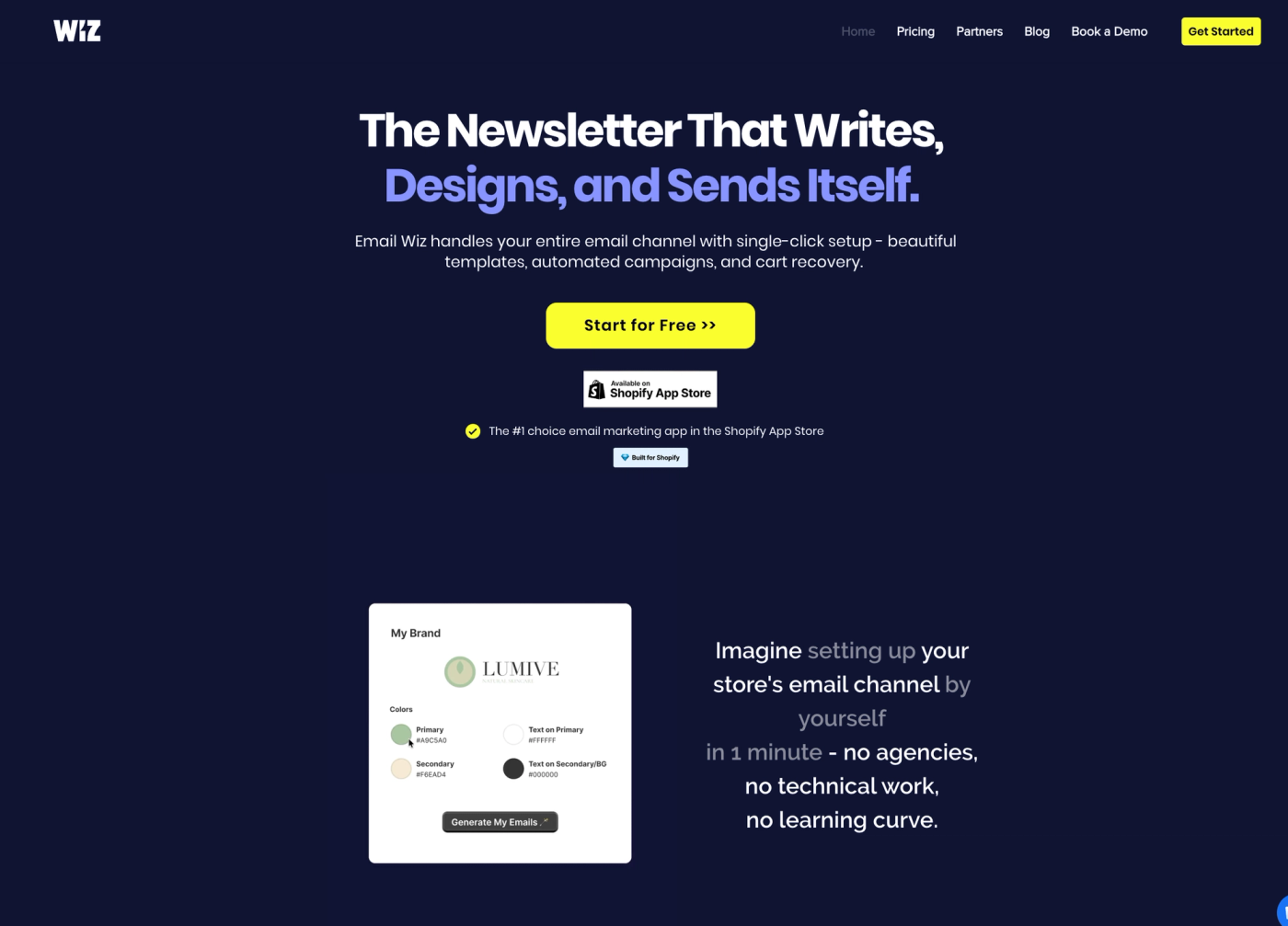
Wiz represents one example of a platform that simplifies this setup entirely for Shopify brands. It automatically installs a complete abandoned cart recovery sequence the moment the app is set up on Shopify, without requiring any manual configuration, copywriting, or flow building from the store owner. For Shopify brands that want their cart recovery running immediately and generating revenue from day one, that kind of automated setup removes the most common barrier between abandoned carts and recovered sales.
Final Thoughts
Abandoned cart email examples are essential reference points for any ecommerce brand that wants to recover lost revenue and convert high-intent shoppers who left without completing their purchase. The combination of high purchase intent, recoverable revenue, and the relatively low cost of email automation makes abandoned cart recovery one of the most financially compelling programs any Shopify brand can have in place. Brands that invest in a well-structured recovery program consistently see meaningful increases in total revenue without increasing their marketing budget.
However, manually managing abandoned cart email timing, sequencing, and personalization is impractical for growing Shopify brands managing multiple priorities simultaneously. The most effective abandoned cart programs are fully automated, launching within minutes of every abandonment and running the complete recovery sequence without any manual involvement from the team. This is where automation becomes not just convenient but genuinely essential for capturing the full revenue potential of every abandoned cart.
AI-powered platforms are beginning to transform how Shopify brands approach their abandoned cart recovery programs. Tools like Wiz automatically install a complete abandoned cart recovery sequence the moment the app is set up, ensuring that every abandoned cart triggers an immediate, on-brand, and revenue-focused recovery experience without any manual configuration. For Shopify brands looking to turn abandoned carts into a consistent source of recovered revenue, automated cart recovery tools represent the most efficient and effective path forward. Visit https://www.emailwiz.ai/ for more details.
Frequently asked questions
- What is an abandoned cart email and why does it matter?
- An abandoned cart email is an automated message sent to shoppers who added items to their cart but did not complete the purchase, reminding them of what they left behind and motivating them to return. It matters because abandoned carts represent one of the largest and most accessible revenue opportunities in ecommerce, with a high percentage of those shoppers recoverable through well-timed and well-designed follow-up emails.
- How soon should the first abandoned cart email be sent?
- The first abandoned cart email should be sent within 30 to 60 minutes of cart abandonment, while the shopper's purchase intent is still fresh and the products are still top of mind. Delays beyond the first hour significantly reduce first-touch recovery rates because purchase intent fades quickly as shoppers move on to other activities.
- How many emails should be in an abandoned cart sequence?
- Most ecommerce brands see strong results from a three-email abandoned cart sequence sent over 48 to 72 hours after abandonment. The first email is a friendly reminder, the second adds social proof and urgency, and the third offers a discount incentive or free gift as a final recovery attempt.
- Should you always offer a discount in an abandoned cart email?
- A discount or free gift should not be offered in the first abandoned cart email because it trains shoppers to abandon carts deliberately in order to receive an incentive on every future purchase. Reserving the incentive for the second or third email in the sequence ensures it functions as a genuine motivator for shoppers who did not respond to earlier reminders.
- What tools help automate abandoned cart emails for Shopify stores?
- Platforms such as Wiz provide robust automation tools for building and scheduling abandoned cart recovery sequences for ecommerce brands. AI-driven platforms like Wiz take this further by automatically installing a complete abandoned cart recovery sequence the moment the app is set up on Shopify, ensuring that every abandoned cart triggers an immediate and on-brand recovery series without any manual configuration required.