Email Marketing for Skincare Brands: 6 Proven Strategies for Growth in 2026
Skincare ecommerce continues to grow rapidly, and brands are searching for reliable ways to connect with customers and drive repeat purchases. This is why email marketing for skincare brands has become one of the most important growth channels in 2026. With the right strategy, email allows skincare brands to build trust, educate customers, and generate consistent revenue without relying entirely on paid ads. Unlike social media platforms, email gives brands a direct and owned communication...

Skincare ecommerce continues to grow rapidly, and brands are searching for reliable ways to connect with customers and drive repeat purchases. This is why email marketing for skincare brands has become one of the most important growth channels in 2026. With the right strategy, email allows skincare brands to build trust, educate customers, and generate consistent revenue without relying entirely on paid ads.
Unlike social media platforms, email gives brands a direct and owned communication channel. Skincare brands can use email to guide customers through routines, introduce new products, and maintain relationships over time. As the industry becomes more competitive, brands that invest in strong email marketing strategies gain a meaningful advantage.
At the same time, marketing technology is evolving quickly. AI-powered tools now help brands automate campaigns, personalize content, and launch email flows faster than ever before. Platforms like Wiz make it easier for premium skincare brands to implement advanced email marketing strategies without requiring large marketing teams.
This guide explores six practical strategies for improving email marketing for skincare brands in 2026. These approaches help skincare companies attract new subscribers, nurture customer relationships, and increase repeat purchases through effective email campaigns.
Why Email Marketing Matters for Skincare Brands
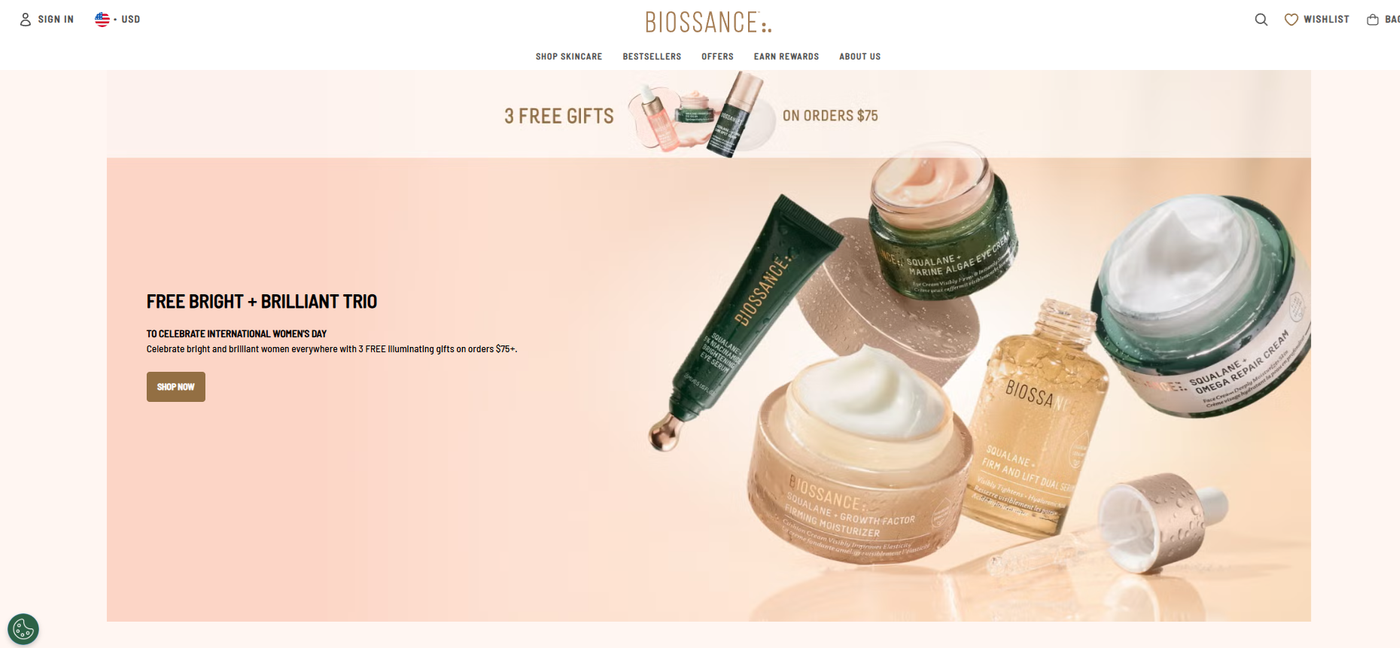
Skincare products are unique because they require education, trust, and consistent usage. Customers want to understand ingredients, routines, and results before they purchase. Email marketing allows brands to provide that guidance in a structured and helpful way.
Another reason email marketing works well for premium skincare brands is the repeat purchase cycle. Many skincare products are used daily, which means customers often reorder every few months. Email reminders and automated flows help ensure customers return to the brand when it is time to restock.
Email also protects brands from changes in social media algorithms and advertising platforms. When brands build their own email list, they maintain control over their communication with customers. This long-term relationship building is one of the strongest benefits of email marketing for skincare brands.
6 Email Marketing Tips for Skincare Brands in 2026
To succeed with email marketing for skincare brands, it is important to focus on strategies that build trust, educate customers, and encourage repeat purchases. The six tips below will help skincare brands create stronger email campaigns, improve customer relationships, and generate consistent growth in 2026.
- Build an Email List Designed for Skincare Customers
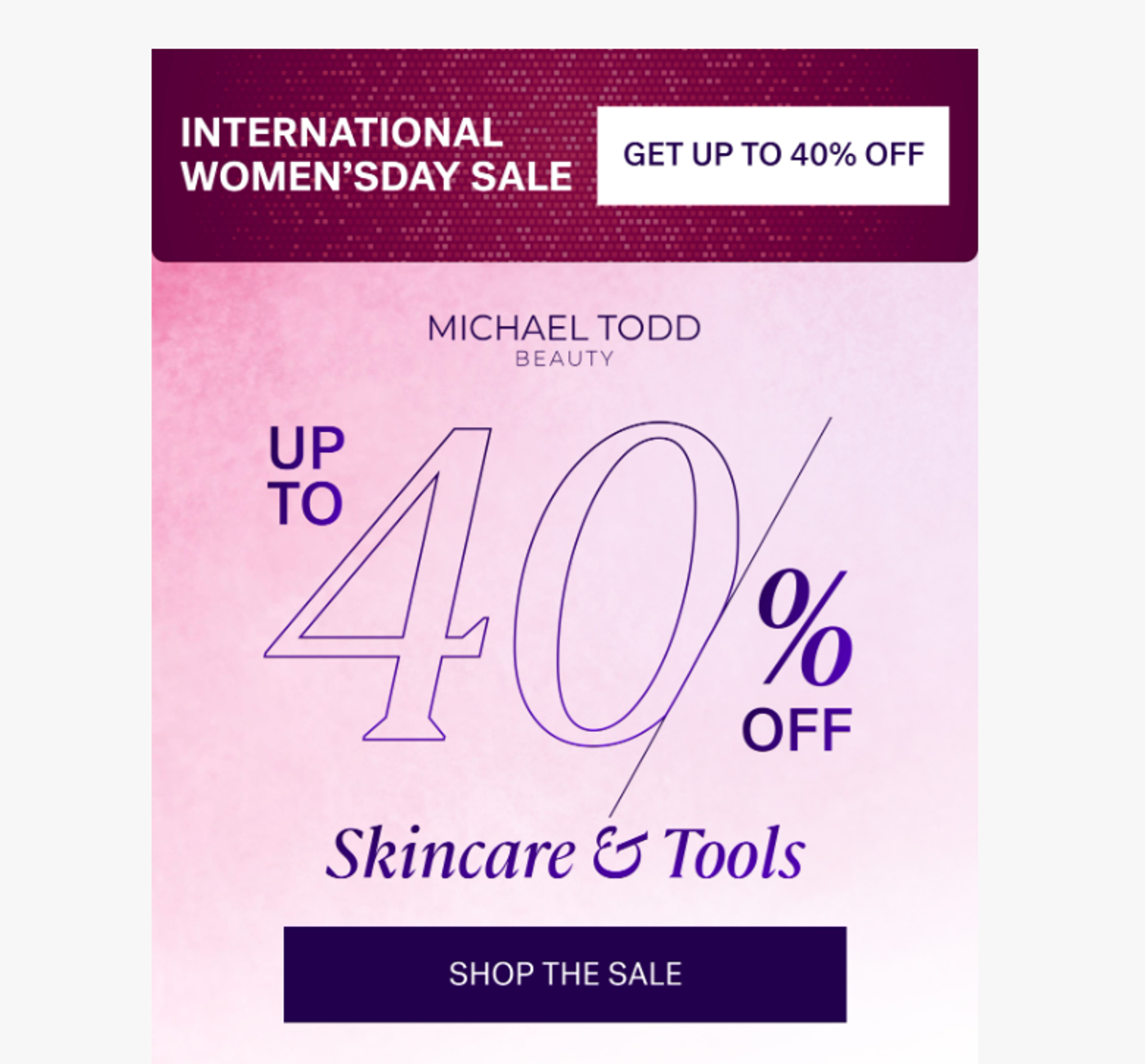
Growing a high-quality email list is the foundation of successful email marketing. Without engaged subscribers, even the best campaigns will struggle to generate results. Skincare brands should focus on attracting subscribers who are genuinely interested in their products and routines.
Several list-building strategies work particularly well for skincare brands.
Skincare routine quizzes
Interactive quizzes help customers discover products that match their skin type and concerns. At the same time, they provide brands with valuable data that can be used for segmentation and personalized email campaigns.
Educational skincare guides
Many consumers want to learn more about ingredients, routines, and product combinations. Offering downloadable guides or email courses encourages visitors to subscribe while providing useful information.
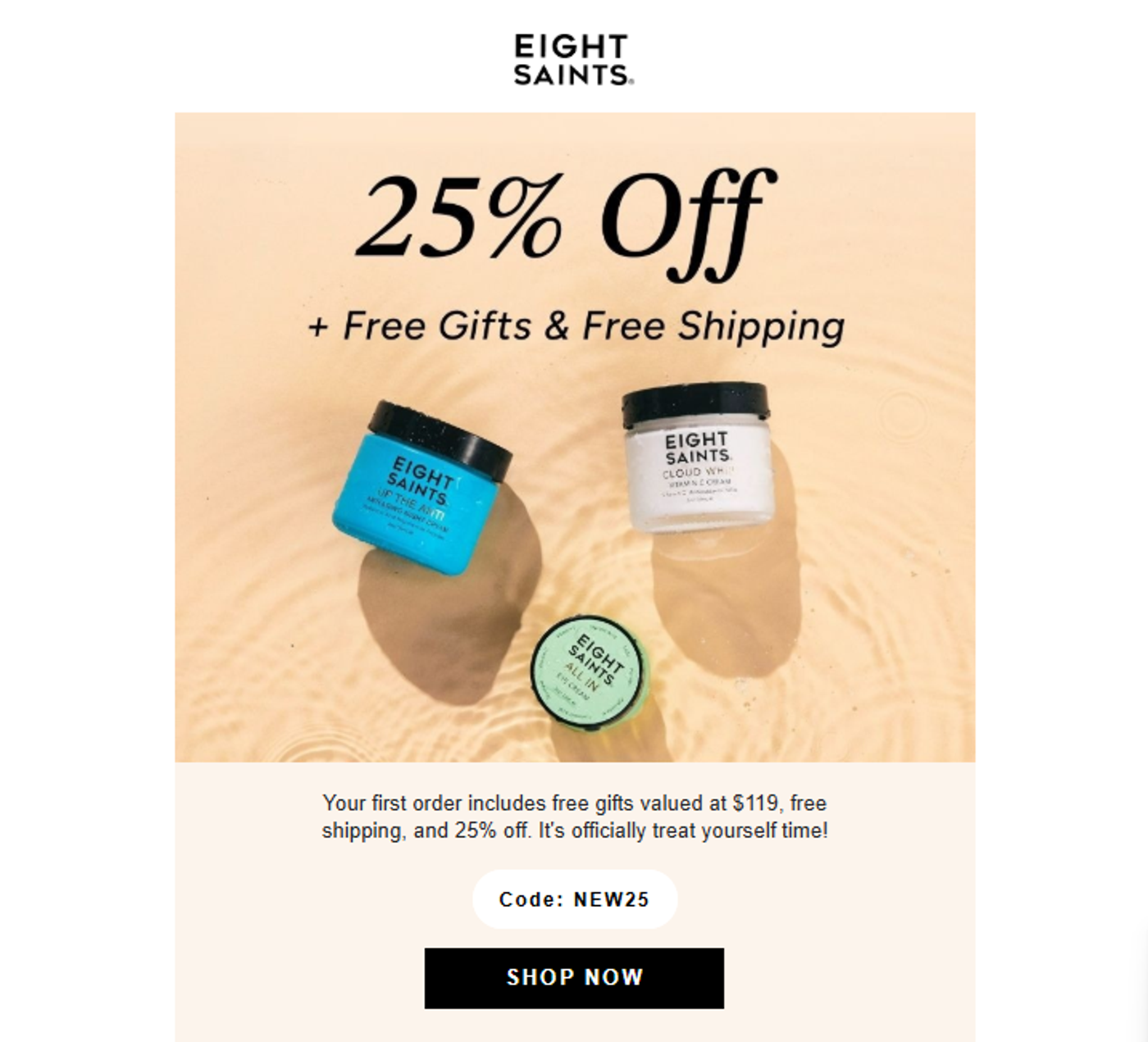
First purchase discounts
A small discount can encourage first-time buyers to join the email list. This approach works well when combined with a welcome series that explains the brand story and product benefits.
Product recommendation tools
Recommendation tools allow customers to explore products that suit their specific premium skincare needs. These tools can collect email addresses while helping customers make more confident purchasing decisions.
Signup forms should be placed strategically throughout the website. Common locations include homepage popups, product pages, and exit intent forms. By making it easy to subscribe, skincare brands can steadily grow their audience.
- Use Email to Educate Customers About Skincare
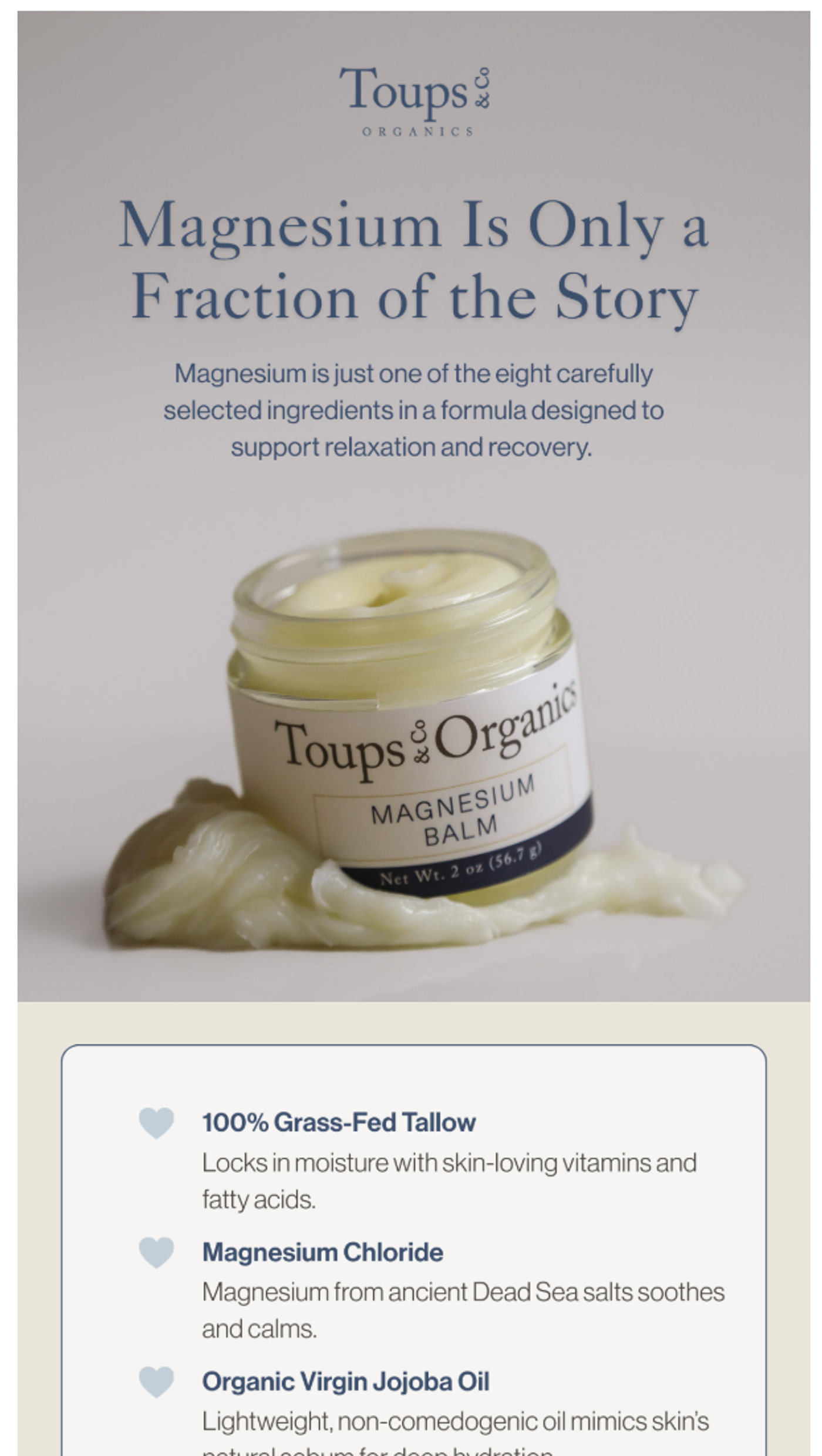
Skincare customers often need guidance before they feel confident purchasing new products. Email marketing allows brands to deliver educational content in a clear and structured format. This helps customers understand how products work and how they should be used.
Educational emails also build long-term trust. When brands share useful information instead of constant promotions, subscribers are more likely to stay engaged. Over time, this trust leads to stronger brand loyalty and repeat purchases.
Some educational email topics work especially well for skincare brands.
Ingredient spotlights
Many skincare shoppers research ingredients before making a purchase. Emails that explain how specific ingredients work can help customers feel more confident about product choices.
Skincare routine guidance
Customers often struggle to build effective routines with multiple products. Email sequences that explain morning and evening routines help customers get the most value from their purchases.
Seasonal skincare advice
Skin needs to change depending on the climate and weather conditions. Seasonal emails help customers adjust their routines and discover products that work best during different times of the year.
Product usage tips
Customers sometimes use products incorrectly, which can reduce effectiveness. Clear instructions and tips ensure customers experience better results and remain satisfied with their purchase.
Educational content makes email marketing for skincare brands more valuable than simple promotional messaging. Customers appreciate helpful information and are more likely to remain subscribed.
- Create High-Converting Email Automation Flows
Automation is one of the most powerful tools in modern email marketing. Instead of sending individual campaigns manually, brands can create automated sequences that trigger based on customer behavior. These flows run continuously and generate revenue without constant management.
Several automation flows are essential for skincare brands.
Welcome flows
A welcome flow introduces new subscribers to the brand and highlights best-selling products. It also sets expectations for future emails and encourages the first purchase.
Abandoned cart flows
Many shoppers add products to their cart but leave without completing checkout. Abandoned cart emails remind customers about the products they considered and often recover lost sales.
Post purchase flows
After a customer completes a purchase, an email can guide them on how to use their new products. This flow can also recommend complementary products that enhance their skincare routine.
Replenishment reminders
Most premium skincare products are used regularly and run out over time. Replenishment emails remind customers to reorder products before they run out.
Automation flows generate consistent revenue because they respond to real customer behavior. This is why they are considered the backbone of email marketing for skincare brands.
- Personalize Emails Using Customer Data
Personalization helps skincare brands send more relevant messages to each subscriber. Customers have different skin types, concerns, and product preferences. Email marketing allows brands to tailor content based on these differences.
Segmentation is the key to effective personalization. By dividing subscribers into groups, brands can send emails that match specific interests and needs.
Skin type segmentation
Customers with dry, oily, or sensitive skin often require different products. Segmenting emails by skin type allows brands to recommend products that are more relevant.
Purchase behavior segmentation
Customers who frequently purchase certain products may be interested in related items. This segmentation helps brands suggest complementary products and bundles.
Engagement-based segmentation
Some subscribers open emails regularly while others rarely engage. Adjusting messaging for different engagement levels can improve overall email performance.
Customer lifecycle segmentation
New subscribers, repeat customers, and loyal buyers all require different communication strategies. Tailoring emails to each stage of the customer journey improves retention and revenue.
Personalized messaging improves open rates, click rates, and conversion rates. It also strengthens the relationship between the brand and its customers.
- Promote Product Launches and Seasonal Campaigns
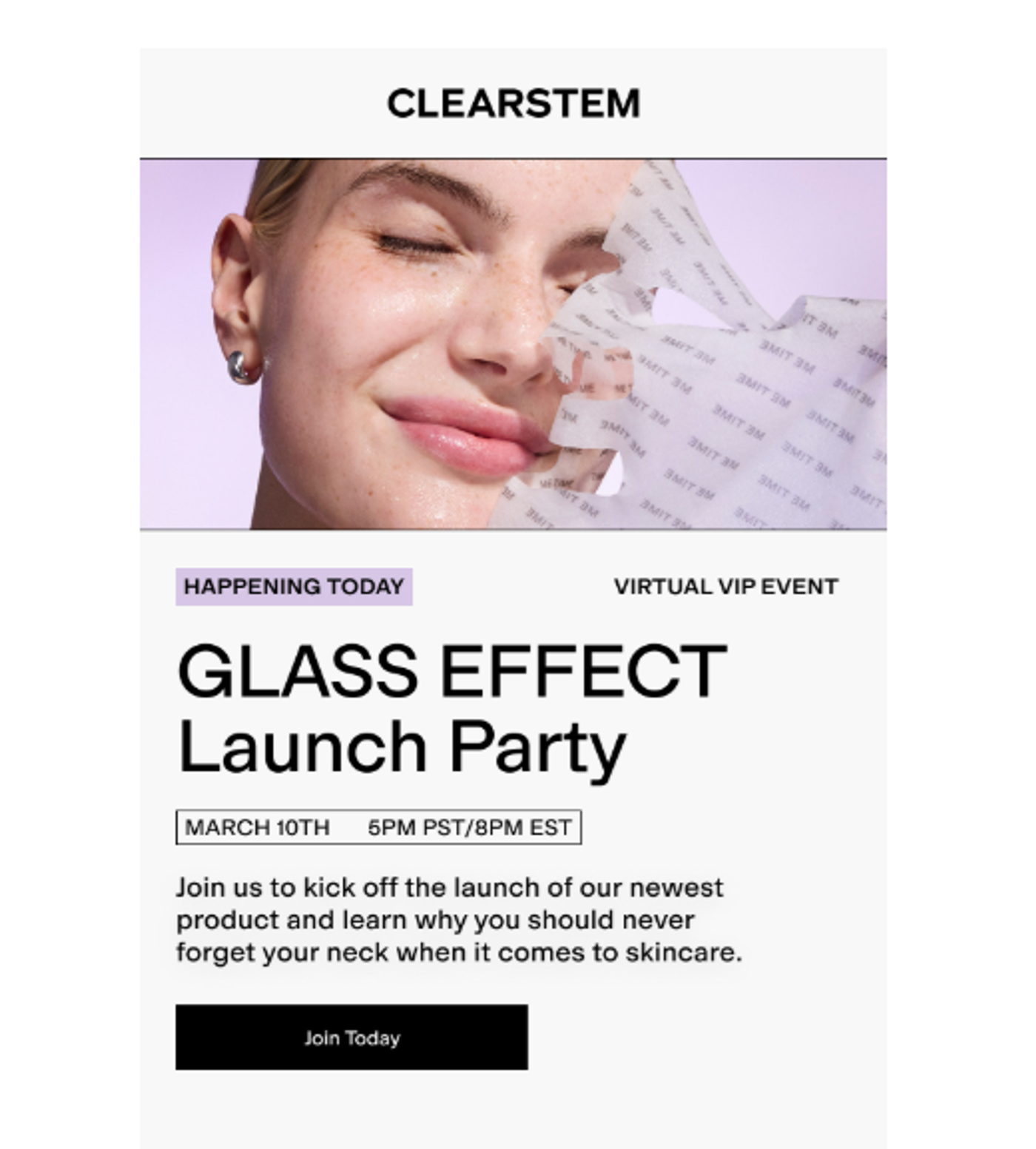
Email marketing is one of the most effective channels for launching new skincare products. Subscribers are often the most loyal customers, making them ideal for early announcements. Well-planned launch campaigns can generate excitement and strong early sales.
Successful launches often follow a structured email sequence.
Teaser emails
Teaser emails introduce the idea of a new product without revealing everything. This builds curiosity and anticipation among subscribers.
Ingredient highlights
Before launch, brands can share details about key ingredients and benefits. This helps educate customers and prepares them for the upcoming release.
Launch announcement
The official launch email introduces the product and includes a clear call to action. Early access or limited availability can encourage immediate purchases.
Social proof follow-ups
After launch, emails can highlight customer reviews and testimonials. This reassures hesitant shoppers and encourages additional purchases.
Seasonal campaigns also play an important role in email marketing for skincare brands. For example, winter hydration products and summer SPF campaigns align with seasonal skincare needs.
- Design Emails That Match Beauty Brand Expectations

Visual presentation is important for online skincare marketing. Customers expect beauty brands to have a clean, professional aesthetic. Email design should reflect the same visual quality found on product pages and packaging.
Well-designed emails also improve readability and engagement. Clear layouts help customers quickly understand the message and take action.
Minimalist layouts
Simple layouts keep the focus on product imagery and key messages. Clean design also improves readability on both desktop and mobile devices.
High-quality product images
Skincare customers rely heavily on visual cues when evaluating products. Clear images help communicate product texture, packaging, and branding.
Clear calls to action
Each email should guide readers toward a specific next step. Strong calls to action improve click rates and drive conversions.
Mobile-friendly formatting
Many subscribers read emails on their phones. Mobile-optimized designs ensure emails are easy to read and interact with on smaller screens.
Consistent design strengthens brand identity and improves the overall customer experience.
How Wiz Helps Simplify Email Marketing for Skincare Brands
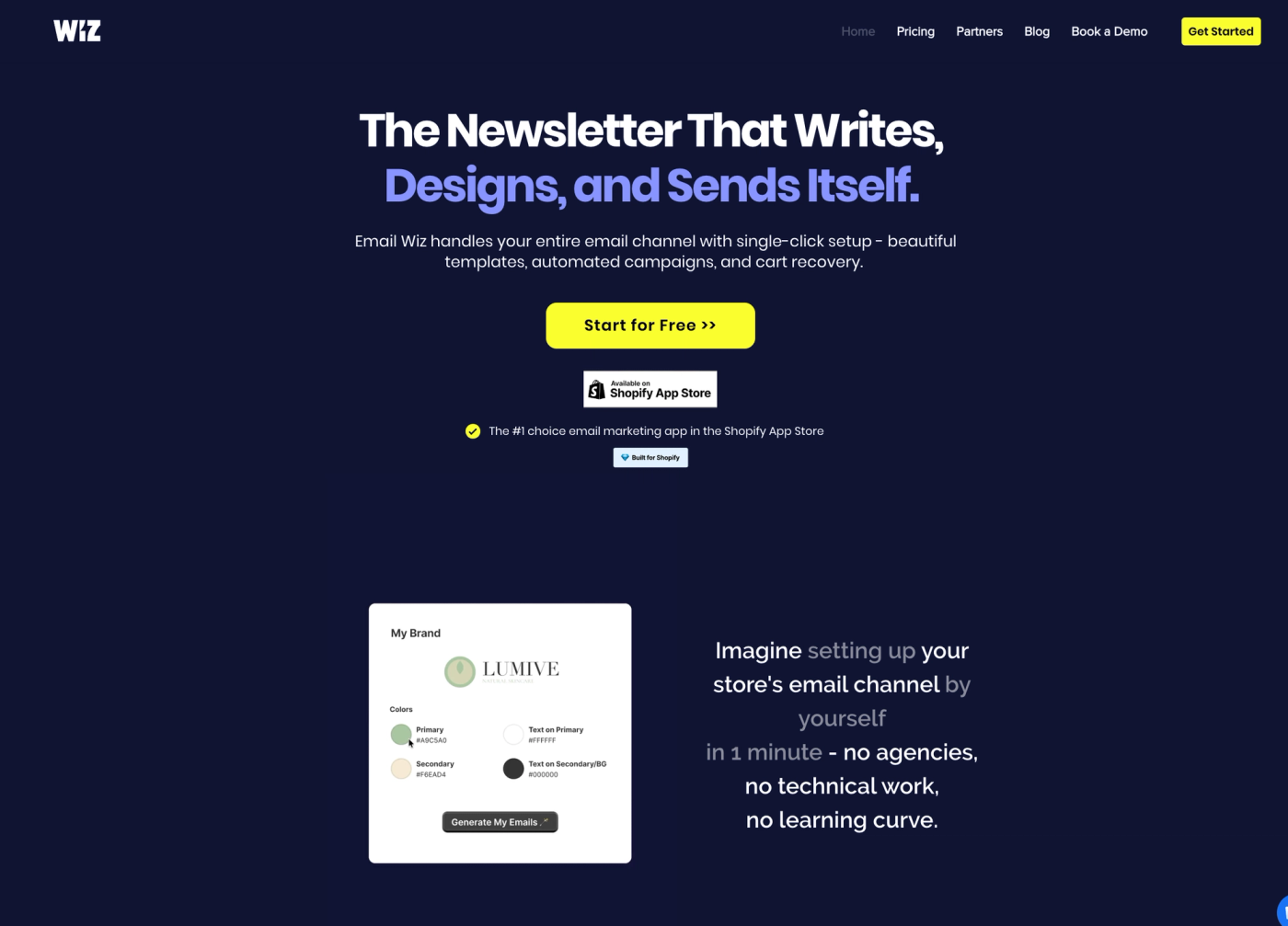
Running effective email marketing campaigns can require significant time and resources. Many growing ecommerce brands struggle to balance campaign creation, automation management, and customer segmentation. This is where modern AI-powered tools can make a meaningful difference.
Wiz is designed to simplify email marketing for skincare brands, especially those running Shopify stores. The platform uses AI to help generate campaigns, create automation flows, and suggest segmentation strategies based on customer data. This reduces the time required to build and manage email marketing programs.
For smaller marketing teams, tools like Wiz can help streamline the entire process. Instead of building every campaign from scratch, brands can generate structured email campaigns quickly and focus on refining their messaging. This makes advanced email marketing strategies accessible even for growing brands.
Conclusion
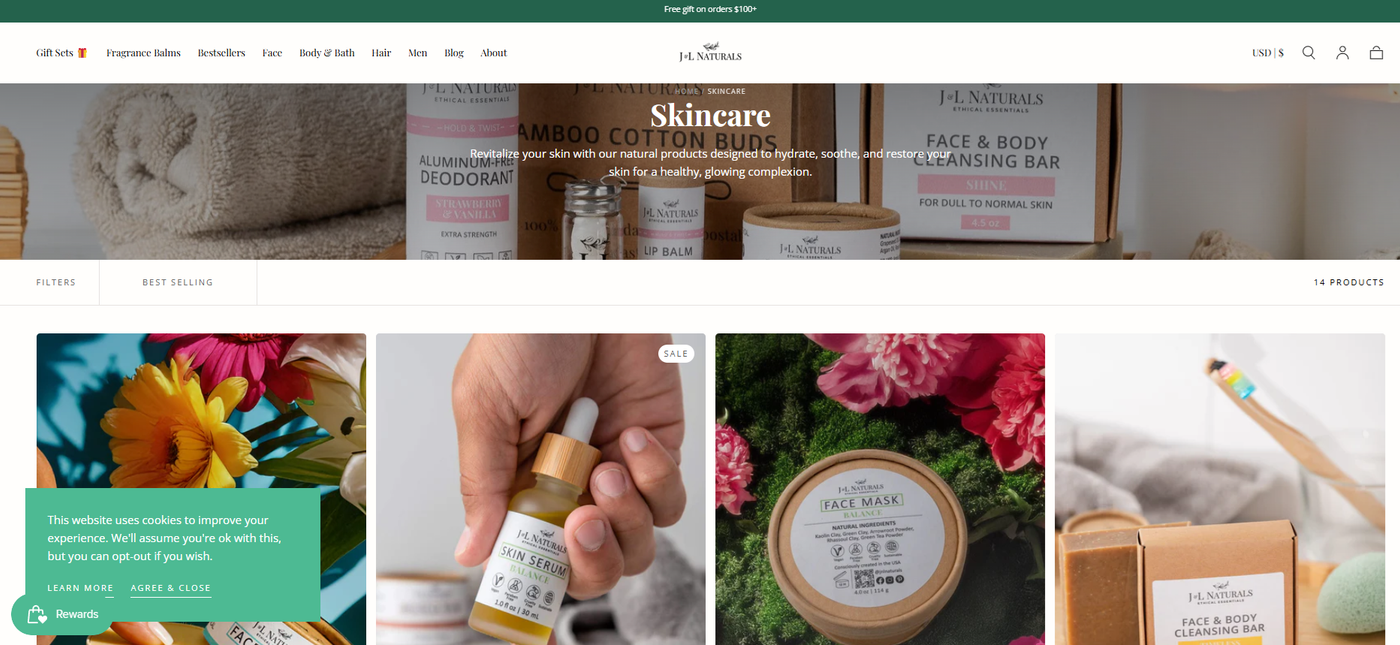
The skincare ecommerce market continues to expand, and brands must find reliable ways to connect with customers and build lasting relationships. Email marketing for skincare brands provides a powerful channel for education, engagement, and repeat purchases. When executed effectively, email becomes a consistent driver of revenue.
By focusing on list building, educational content, automation flows, personalization, product launches, and strong design, skincare brands can create meaningful connections with their customers. These strategies help brands stand out in an increasingly competitive market. Over time, they lead to stronger loyalty and higher customer lifetime value.
As technology continues to evolve, AI-powered tools are making advanced email marketing more accessible. Platforms like Wiz help premium skincare brands streamline campaign creation and automation, allowing teams to focus on strategy and creativity. Brands that invest in strong email marketing today will be well-positioned for growth in 2026 and beyond. Visit https://www.emailwiz.ai/ for more information.
Frequently asked questions
- Why is email marketing important for skincare brands?
- Email marketing allows skincare brands to build direct relationships with customers. It helps educate buyers about ingredients, routines, and product benefits while encouraging repeat purchases. Unlike paid ads, email provides an owned communication channel. Brands can nurture customers over time and increase lifetime value.
- What types of emails work best for skincare ecommerce brands?
- Educational emails, product routine guides, and ingredient highlights often perform very well. Skincare customers typically research products carefully before purchasing. Automation flows such as welcome sequences and post-purchase skincare tips also generate strong engagement. These emails help guide customers through their skincare journey.
- How often should skincare brands send email campaigns?
- Most skincare brands send one to three campaigns per week. The exact frequency depends on product launches, promotions, and educational content. Automation flows run continuously in the background. These flows deliver targeted messages based on customer behavior.
- What automation flows are essential for skincare brands?
- Welcome emails, abandoned cart reminders, and post purchase skincare routine emails are essential. These flows help nurture customers throughout the buying journey. Replenishment reminder emails are also important. Many skincare products need to be reordered regularly.
- What tools help skincare brands automate email marketing?
- Many skincare ecommerce brands use platforms such as Klaviyo or Omnisend. These tools allow segmentation, automation, and campaign management. Newer AI driven platforms such as Wiz can simplify email marketing operations. These systems install automation flows and generate campaigns automatically for ecommerce brands.