From Dropshipping to 3PL: A Complete Guide for Scaling Shopify Stores
- Sam Claren Fausto Dela Paz
- Apr 14
- 5 min read

From dropshipping to 3PL is a major transition that many Shopify store owners face as they scale their business. In the early stages, dropshipping offers flexibility and low risk, but it comes with limitations as order volume increases. Moving to a third-party logistics provider, or 3PL, can unlock faster delivery, better branding, and improved customer experience.
As ecommerce businesses grow, customer expectations also increase. Buyers want faster shipping, reliable tracking, and consistent quality. This creates pressure on dropshipping operations that rely on overseas suppliers.
In this guide, we break down the full journey from dropshipping to 3PL and how to approach it strategically. The goal is to help Shopify brands understand when and how to make the transition. We will also explore how this shift fits into a complete ecommerce system.
Why Businesses Move From Dropshipping to 3PL
Dropshipping is an excellent model for testing products and validating demand. It allows businesses to launch quickly without holding inventory. This reduces risk in the early stages.
However, dropshipping has limitations when it comes to scaling. Shipping times can be long, and quality control is often limited. These issues can affect customer satisfaction.
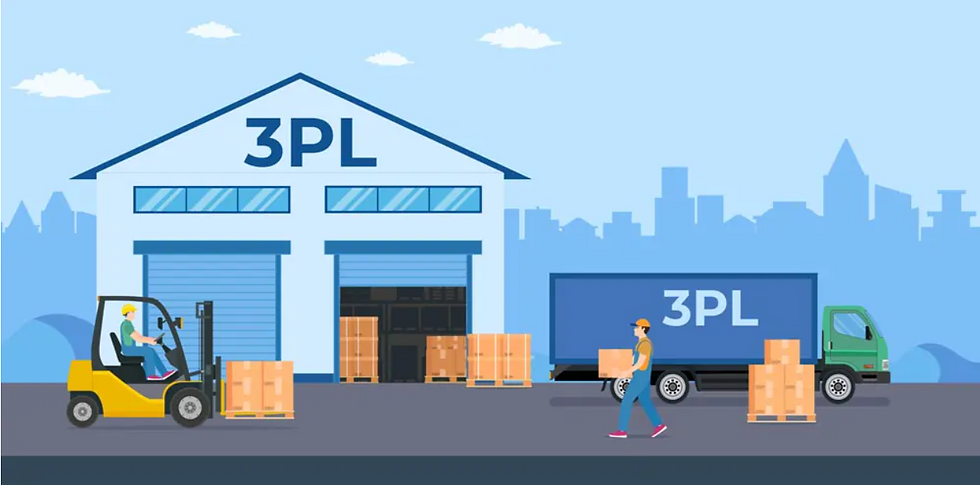
3PL providers offer a solution by storing inventory and handling fulfillment. This allows for faster delivery and more control. It creates a better customer experience.
Dropshipping vs 3PL: Key Differences
Understanding the differences between dropshipping and 3PL is essential before making the transition. Each model has its own advantages and challenges. Choosing the right approach depends on your business stage.
Fulfillment process
Dropshipping relies on suppliers to fulfill orders after they are placed. In contrast, 3PL uses pre-stored inventory to ship products quickly.
Shipping speed
Dropshipping often involves longer shipping times due to international fulfillment. 3PL enables faster delivery by using local warehouses.
Cost structure
Dropshipping requires minimal upfront investment. 3PL requires purchasing inventory and paying for storage.
Control and branding
Dropshipping offers limited control over packaging and branding. 3PL allows businesses to customize the customer experience.
Scalability
Dropshipping can become inefficient at higher volumes. 3PL is designed to support scaling operations.
When to Transition From Dropshipping to 3PL

Timing is one of the most important factors when moving from dropshipping to 3PL. Transitioning too early can create unnecessary risk. Waiting too long can limit growth.
Consistent product sales are a strong indicator that a transition may be needed. Proven demand reduces the risk of holding inventory. This makes scaling more predictable.
Increasing order volume is another key signal. As orders grow, fulfillment becomes more complex. A 3PL can improve efficiency.
Customer complaints about shipping are also important to monitor. Long delivery times can affect satisfaction. Faster shipping can solve this issue.
Strong profit margins are necessary before making the transition. Inventory requires upfront investment. Businesses need financial stability.
Step-by-Step Guide: From Dropshipping to 3PL
Step 1: Validate Winning Products
Before moving to a 3PL, it is important to focus on proven products. These are items that have consistent sales and demand. This reduces risk.
Testing multiple products through dropshipping helps identify winners. Data should guide decisions. This ensures better outcomes.
Validated products provide confidence for inventory investment. This makes the transition smoother. It improves efficiency.
Step 2: Find a Reliable 3PL Partner
Choosing the right 3PL partner is critical for success. Not all providers offer the same level of service. Research is important.
A reliable 3PL ensures accurate and timely fulfillment. This improves customer satisfaction. It reduces errors.
Location is also important when selecting a provider. Warehouses closer to customers reduce shipping times. This enhances the experience.
Step 3: Order Inventory
Moving to a 3PL requires purchasing inventory in advance. This is a major shift from dropshipping. It introduces new considerations.
Inventory planning is essential to avoid overstocking or stockouts. Businesses need to estimate demand carefully. This reduces risk.
Working with suppliers to ensure quality is also important. Consistency is key for customer satisfaction. This supports long-term growth.
Step 4: Set Up Fulfillment Systems
Integrating your Shopify store with a 3PL provider is a key step. This allows orders to be processed automatically. It improves efficiency.
Automation reduces manual work and errors. This makes operations more scalable. It supports growth.
Clear workflows should be established for order processing. This ensures smooth operations. It improves reliability.
Step 5: Optimize Delivery and Customer Experience
Once the 3PL is set up, focus should shift to improving the customer experience. Faster delivery is one of the biggest benefits. It increases satisfaction.
Packaging and branding can also be enhanced. This creates a stronger brand identity. It differentiates the business.
Clear communication with customers is essential. Updates about orders and shipping build trust. This improves retention.
Common Mistakes When Transitioning to 3PL
One common mistake is transitioning too early without proven demand. This increases financial risk. It can lead to unsold inventory.
Choosing the wrong 3PL partner can also create issues. Poor service affects fulfillment and customer experience. Research is important.
Over-ordering inventory is another risk. Excess stock ties up capital. It reduces flexibility.
Ignoring operational complexity can lead to problems. 3PL requires systems and processes. Planning is essential.
How 3PL Improves Customer Experience and Retention

3PL significantly improves the customer experience by enabling faster delivery. Customers receive their orders quickly. This increases satisfaction.
Better packaging and branding also enhance perception. Customers see a more professional business. This builds trust.
Satisfied customers are more likely to return. This improves retention and lifetime value. It supports growth.
How Email Marketing Supports the Transition
As businesses move from dropshipping to 3PL, communication becomes more important. Customers expect timely updates. This builds trust.
Email marketing helps manage expectations during the transition. Order confirmations and shipping updates keep customers informed. This reduces confusion.
Follow-up emails can also improve engagement and retention. They provide opportunities for upselling and feedback. This supports growth.
Why Wiz Works Well for Scaling Brands

Managing customer communication becomes more complex as a business scales. More orders mean more updates and interactions. This can be difficult to handle manually.
Wiz helps automate email flows for Shopify stores. It sends order confirmations, shipping updates, and follow-ups automatically. This improves efficiency.
By using Wiz, businesses can focus on growth while maintaining a strong customer experience. It supports the transition from dropshipping to 3PL. This creates a more scalable system.
Frequently Asked Questions
When should you move from dropshipping to 3PL?
The transition depends on sales consistency and growth. Businesses should wait until demand is proven.
Is 3PL better than dropshipping?
Each model has its advantages. 3PL is better for scaling, while dropshipping is better for testing.
How much does 3PL cost?
Costs vary depending on provider and volume. Businesses need to evaluate pricing carefully.
Can you use both dropshipping and 3PL?
Yes, many businesses use a hybrid approach. This provides flexibility.
What tools help manage the transition?
Automation tools can improve efficiency. Platforms like Wiz help streamline communication.
Final Thoughts
Moving from dropshipping to 3PL is a key step in scaling an ecommerce business. It allows for better control, faster delivery, and improved customer experience. This creates a strong foundation for growth.
However, the transition requires careful planning and execution. Businesses need to evaluate timing, costs, and systems. This ensures success.
Combining strong fulfillment with automation tools creates a complete ecommerce system. Wiz helps improve communication and efficiency. This leads to better long-term results. Go to https://www.emailwiz.ai/ for more details.



Comments